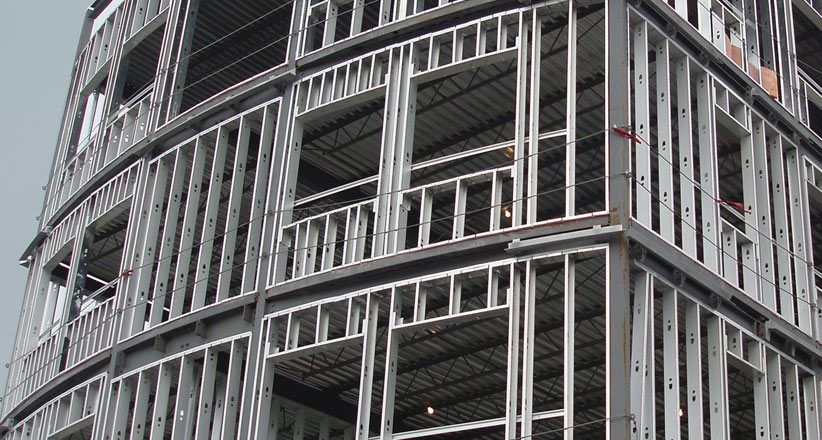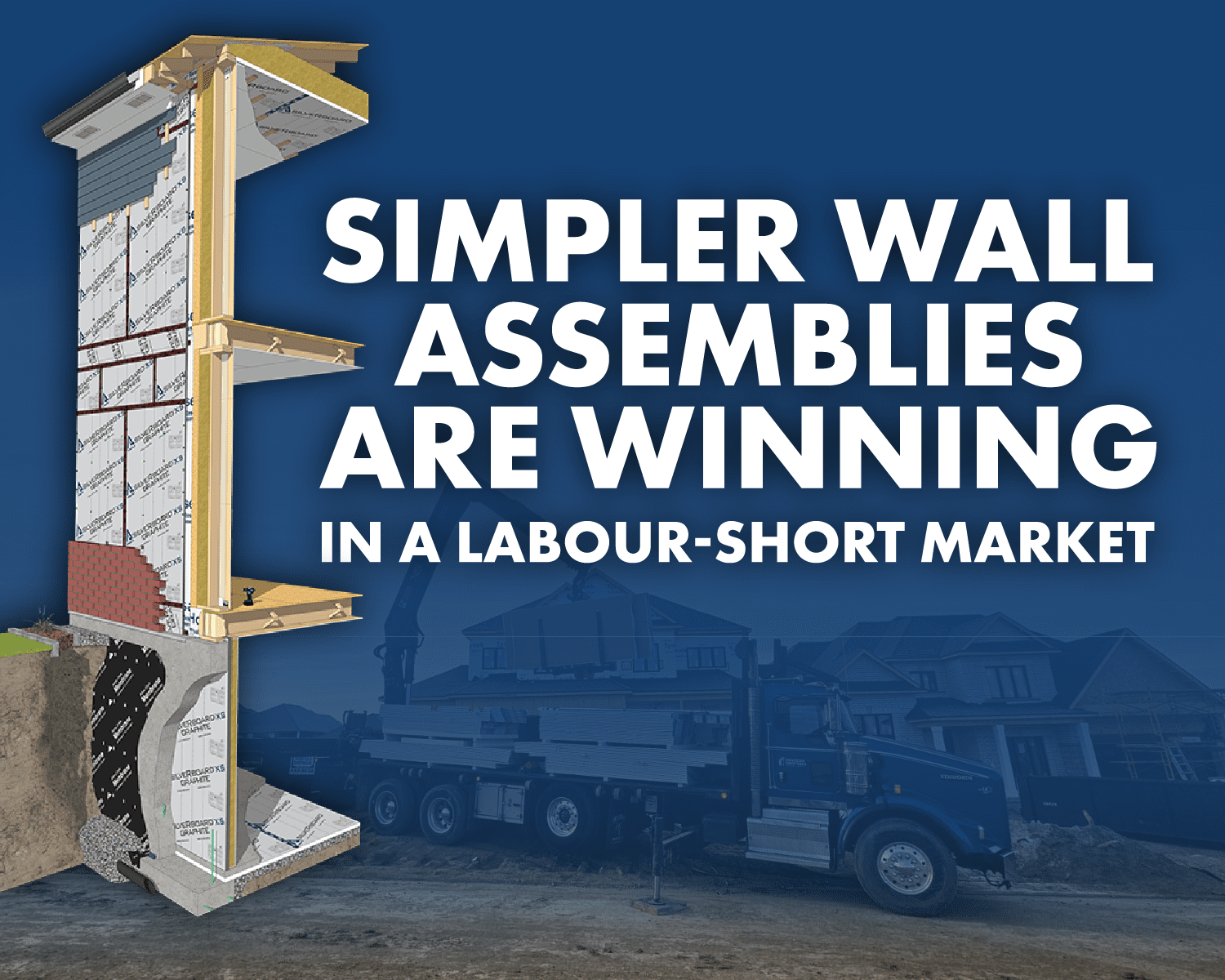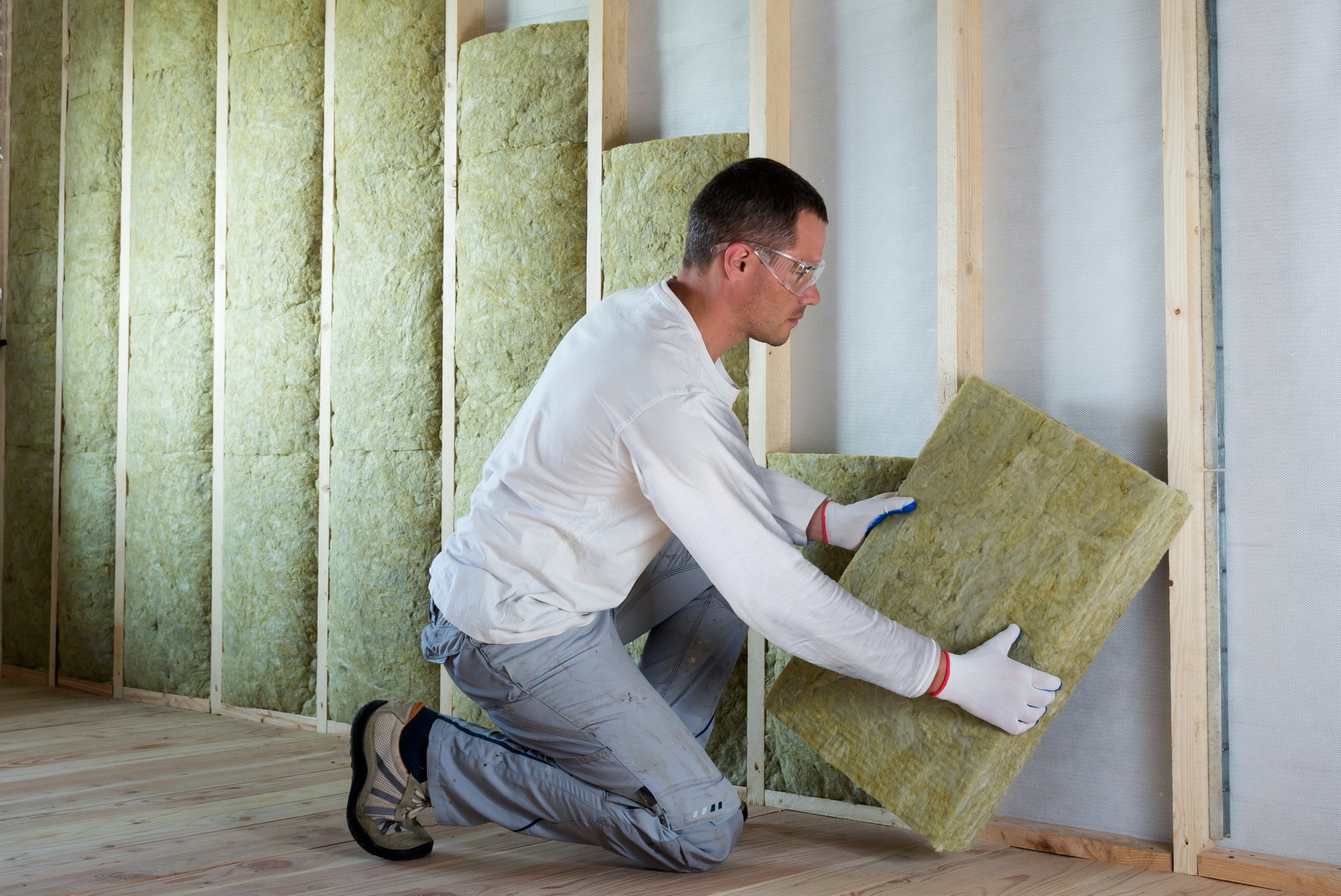
In Canada’s demanding climates, where winter temperatures can plunge and energy costs skyrocket, efficient building envelopes are more critical than ever. Rigid board insulation has emerged as a practical, high-performing solution in modern wall assemblies, basement walls, roof systems, and foundation applications. In this article, we’ll explore how rigid insulation enhances thermal performance, protects against moisture, and delivers long-term economic benefits, with real examples from Canadian-manufactured products like Soprema and Alleguard.
Why Rigid Insulation Matters in Ontario
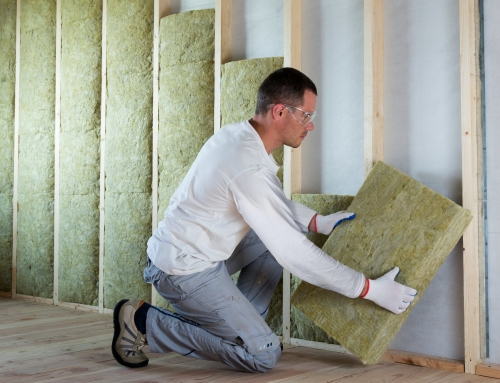
Rigid insulation boards are dense foam panels installed in building walls, foundations, and roofs to reduce heat transfer and improve energy efficiency. Compared to traditional batt insulation, rigid boards offer:
- Higher continuous R-values per thickness: essential where space is limited.
- Moisture resistance: a key advantage in freeze-thaw environments.
- Durability and durability retention over time.
- Energy savings: by reducing heating and cooling loads.
These characteristics make rigid insulation increasingly standard in Ontario construction, from residential to commercial builds.
Alleguard: EPS Rigid Board Insulation
Alleguard’s rigid board offerings are built primarily from Expanded Polystyrene (EPS) foam — one of the most cost-effective and versatile insulating materials on the market.
What EPS Offers
- Stable long-term R-value: EPS maintains insulating performance over time, helping buildings stay energy-efficient year after year.
- Moisture resistance: EPS resists water absorption, which helps preserve R-value and supports moisture control in wall and below-grade applications.
- Sustainability: EPS is recyclable, non-toxic, and manufactured without ozone-depleting chemicals.
Customizable options: Products like Envirosheet provide high R-value per dollar; SilveRboard® and SilveRboard® Graphite boards offer enhanced compressive strength and thermal performance.
Applications That Save Time and Money
Alleguard EPS boards are adaptable for:
- Exterior walls
- Below-grade insulation
- Roof insulation and tapered systems
Specialty applications requiring custom sizes
Their ease of cutting and installation also speeds up construction and reduces labor costs.
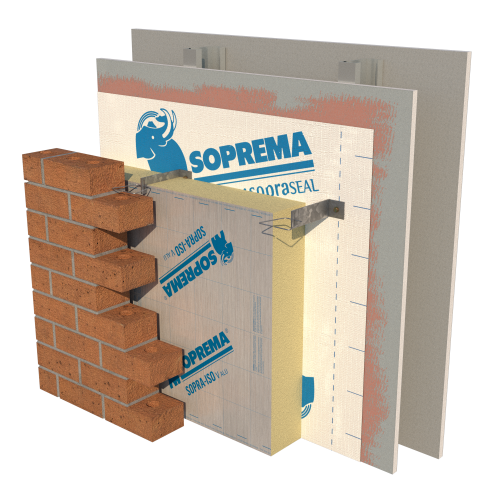
Soprema: SOPRA-XPS® 30 Extruded Polystyrene Boards
Soprema’s SOPRA-XPS® 30 boards represent a premium extruded polystyrene (XPS) option engineered for robust performance in tough Canadian conditions:
What XPS Brings to the Table
- Superior moisture resistance: XPS is closed-cell foam, making it highly resistant to water absorption — especially valuable in foundation and underground wall insulation.
- Consistent high thermal performance: SOPRA-XPS 30 typically delivers around R-5 per inch, translating to strong insulation with thinner assemblies.
- Durability: Its closed-cell structure also results in excellent compressive strength, suited for load-bearing applications such as under slabs and foundation walls.
Canadian-made with environmental considerations: Lower global warming potential and significant recycled content help align performance with sustainability goals.
Typical Uses and Compatibilities
SOPRA-XPS boards are ideal for:
- Foundation walls and footings
- Basement and crawl spaces
- Continuous exterior insulation on walls
- Roof and plaza deck applications when paired with waterproofing systems
In practice, XPS often serves as the baseline premium choice where moisture resistance and compressive strength are top priorities
XPS vs. EPS: How to Choose?
Selecting between EPS and XPS comes down to project goals:
| Factor | Column 2 | Column 3 |
|---|---|---|
| Cost-effectiveness | High — excellent R-value per dollar | Moderate — slightly more expensive |
| Moisture resistance | Strong | Exceptional |
| Compressive strength | Good (varies by board) | Very strong |
| Best for | Budget-conscious builds, broad applications | Foundation/below-grade, high-load zones |
While both materials are foam insulators, EPS excels in flexibility and cost, whereas XPS often wins where moisture and compression demands are highest.
Performance Meets Payback
Rigid insulation isn’t just about meeting code — it’s an investment. Installing quality rigid insulation boards:
- Reduces heating and cooling loads, lowering utility costs.
- Minimizes moisture issues like condensation and mold.
- Improves occupant comfort year-round.
- Extends the life of building assemblies, reducing maintenance costs.
Even though upfront costs can be higher compared to fibrous batt insulation, the life-cycle energy savings and durability pay back handsomely over a building’s lifespan.
Conclusion
In the context of our Ontario climate, with frigid winters, moisture threats, and rising energy costs, rigid insulation is fast becoming standard practice in modern envelope design. Alleguard’s EPS boards deliver cost-effective thermal performance with sustainability benefits, while Soprema’s SOPRA-XPS 30 offers premium moisture resistance and structural strength. Both play important roles in constructing energy-efficient, resilient, and economical buildings that stand up to Ontario’s challenging environment.
Whether you’re building a new home, retrofitting walls, or insulating a commercial structure, understanding how these rigid insulation technologies perform, and where they shine, is key to smart construction choices.