Why Choosing Framing Based on Habit Is Getting Expensive
In 2026, framing decisions have become more strategic than ever. Material price volatility, tighter building codes, labour shortages, and increasing performance expectations are forcing contractors and developers to rethink traditional approaches.
For commercial and multi-residential construction, the debate between steel framing vs wood framing isn’t new, but the cost of choosing based on habit instead of performance has never been higher.
Let’s break down what contractors should be considering today: cost drivers, performance, availability, durability, and long-term value.
1. Cost Isn’t Just Material Price Anymore
While wood framing may still appear cheaper at first glance, total installed cost often tells a very different story.
Steel framing offers several economic advantages:
- Consistent sizing eliminates site adjustments and rework.
- Factory-controlled manufacturing ensures tight tolerances, reducing waste.
- Studs can be ordered to exact lengths, minimizing cutting time and scrap.
- Faster installation improves labour efficiency.
- Lightweight steel reduces foundation and seismic load requirements.
Steel pricing has also proven more stable than lumber, which continues to experience sharp price swings due to forestry regulations, transportation costs, and supply constraints. In contrast, steel production remains more predictable, allowing contractors to lock pricing earlier in the project cycle.
Bottom line: Labour savings, reduced waste, and pricing stability often allow steel framing to match, or outperform, wood on total installed cost.
2. Performance: Fire, Sound, and Structural Stability
Fire Resistance
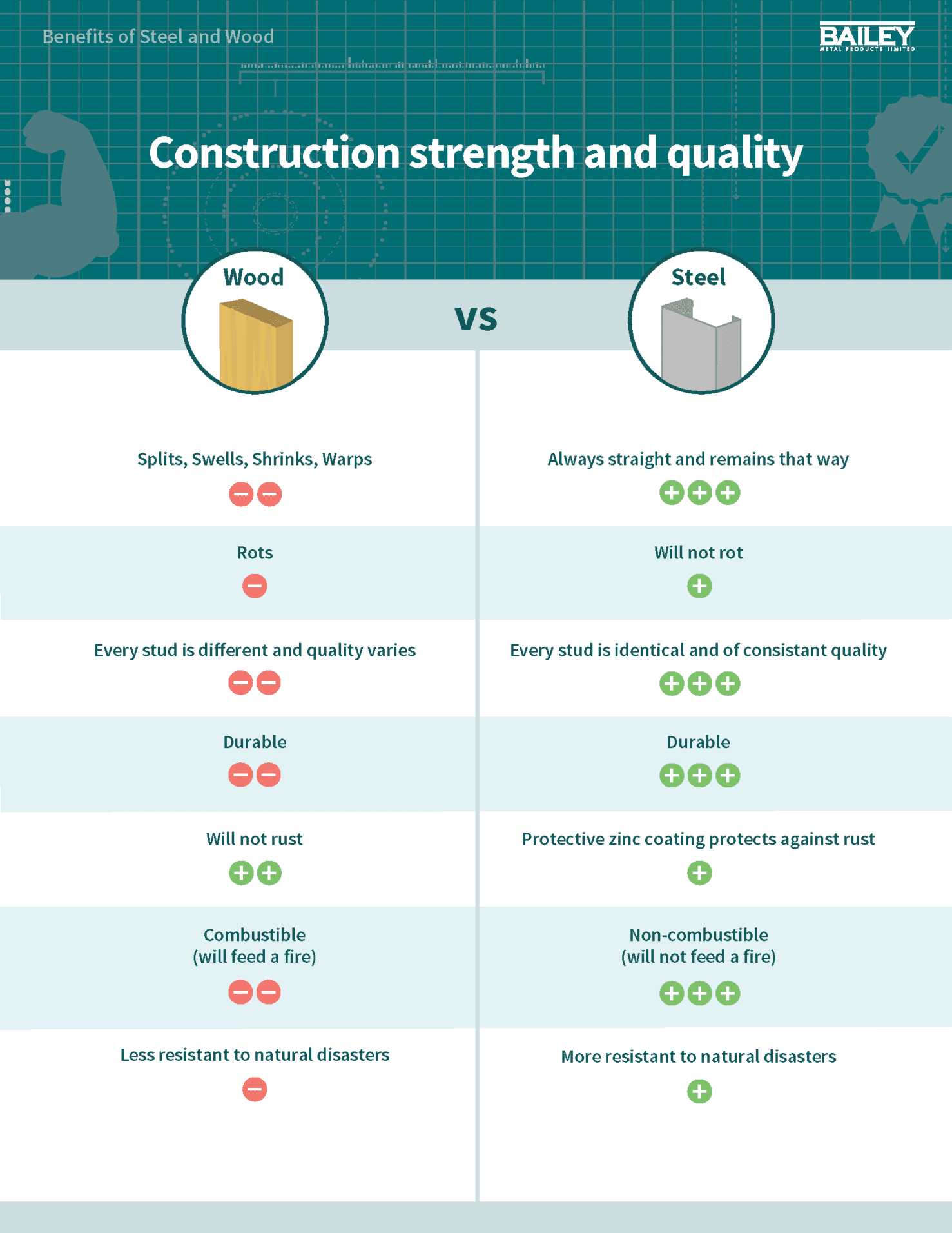
Steel is 100% non-combustible, making it an ideal choice for mid-rise, high-rise, commercial, and multi-family projects where fire safety is paramount. Steel framing assemblies are commonly used to achieve fire ratings up to 2 hours, supporting both code compliance and insurance requirements.
Acoustic Performance
Noise complaints are one of the biggest challenges in multi-residential construction. Steel framing paired with resilient channel systems provides superior sound attenuation, improving Sound Transmission Class (STC) ratings and helping buildings meet increasingly strict acoustic standards.
Structural Reliability
Steel framing systems deliver:
- Higher allowable wall heights
- Consistent straightness
- Predictable performance under load
- Resistance to warping, splitting, shrinking, and swelling
Advanced steel stud systems like Platinum Plus® exceed Canadian code requirements and deliver improved limiting heights, screw-holding strength, and wall stability.
3. Precision & Dimensional Accuracy: No More Guesswork
Wood framing uses nominal sizing, meaning a “2×4” is actually 3-½” x 1-½”.
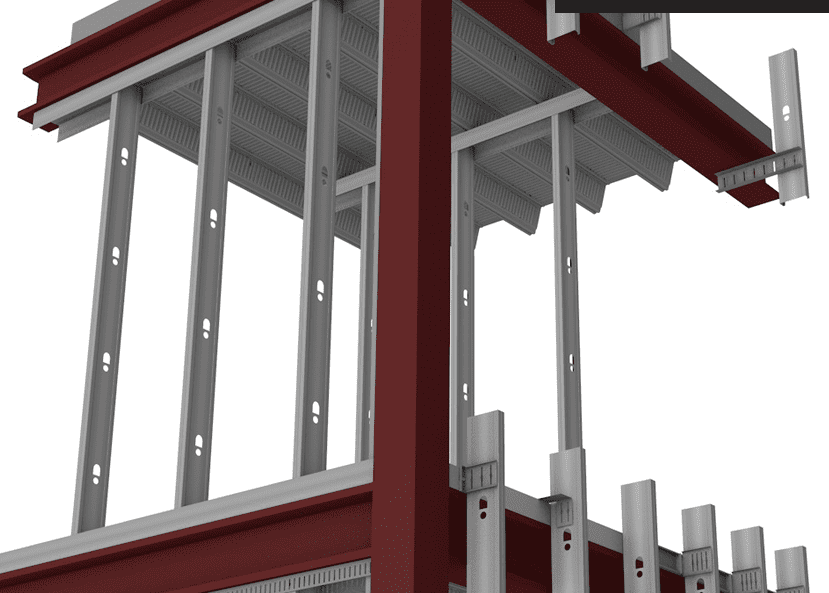
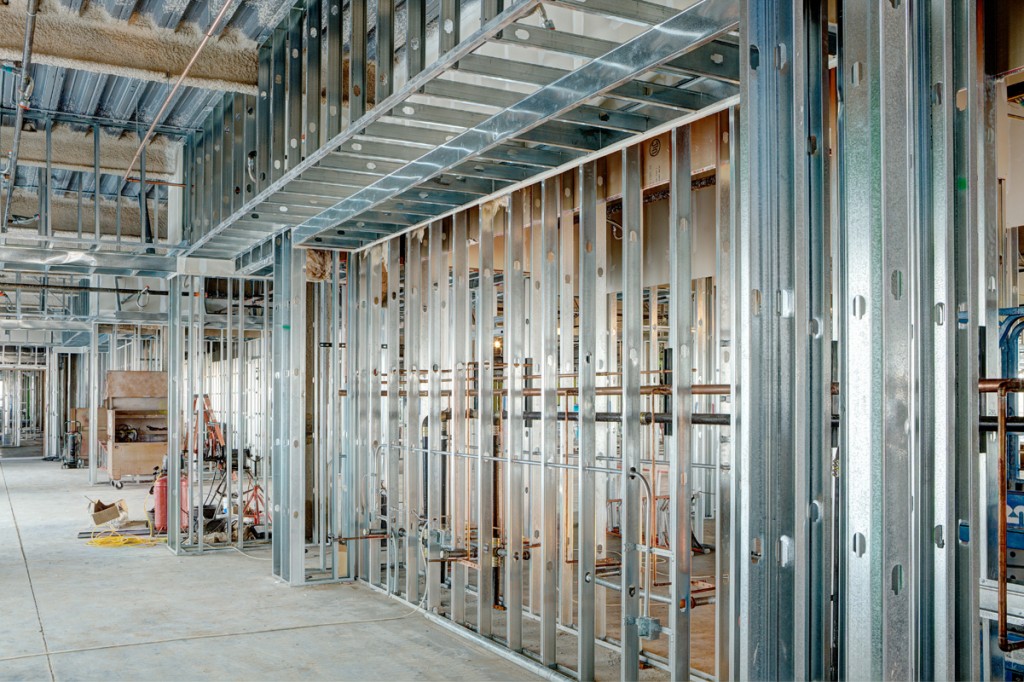
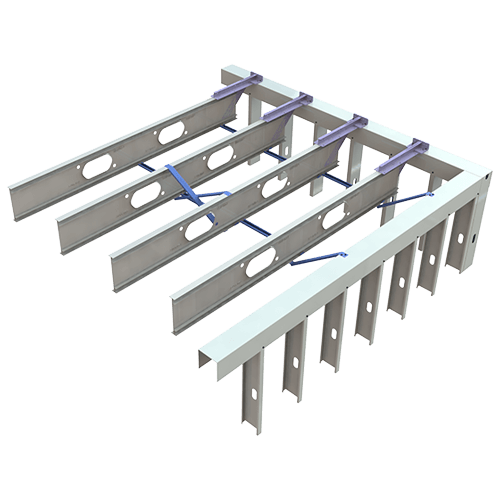
Steel framing uses true dimensions, so if you order a 3-⅝” stud, you receive exactly 3-⅝”.
This simplifies layout, drywall installation, mechanical rough-ins, and finish detailing — especially critical in high-density residential projects where precision matters.
This dimensional consistency reduces:
- Drywall alignment issues
- Flooring transitions
- Millwork fit-up problems
- Rework from framing inaccuracies
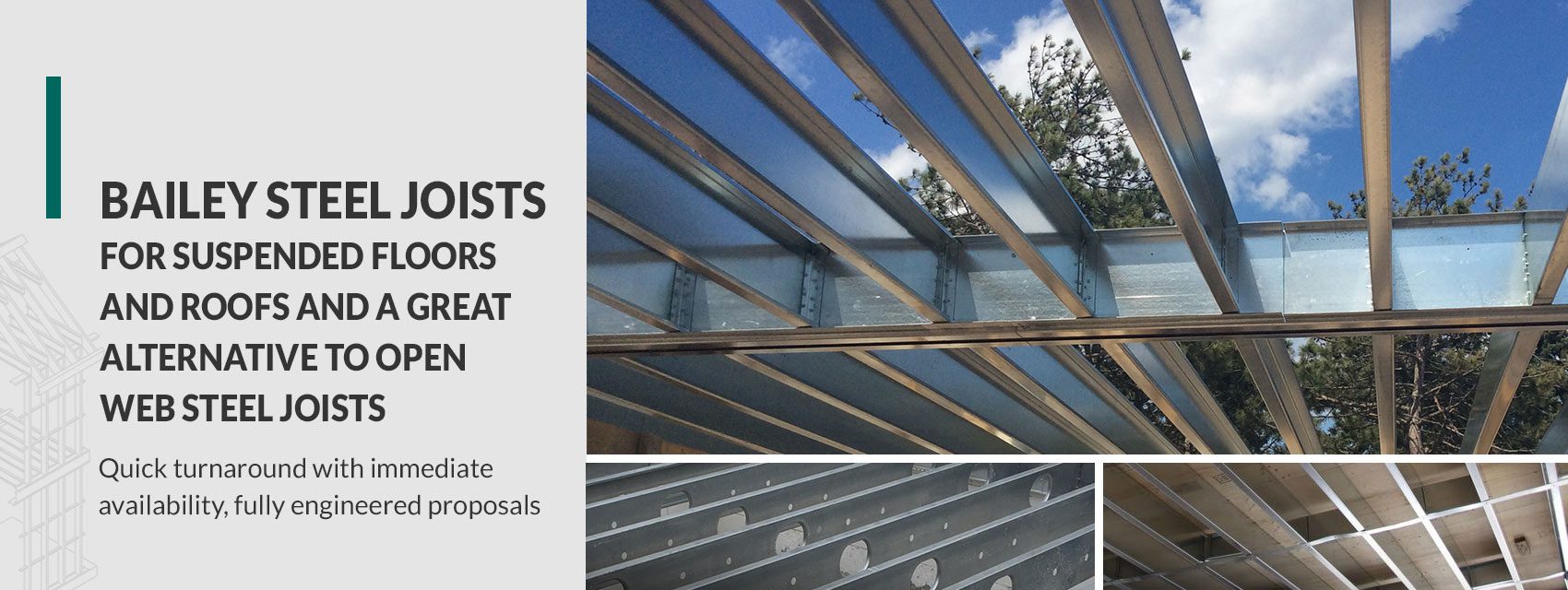
4. Durability: Designed for Long-Term Performance
Steel framing offers significant durability advantages that make it well suited for long-term building performance. Unlike wood, steel will not rot, warp, shrink, swell, or split, and it is immune to termites and other pests. Its resistance to mold growth and non-combustible nature further enhance building safety and longevity, while being fully recyclable supports sustainability goals. Because steel maintains straight, stable walls for the life of the building, it helps protect finishes and reduces the risk of costly service callbacks years after construction. In contrast, wood framing remains vulnerable to moisture exposure, seasonal movement, mold development, and long-term degradation, all of which can compromise performance and increase maintenance over time.
In contrast, wood framing remains vulnerable to:
- Moisture exposure
- Seasonal movement
- Mold development
- Long-term degradation
5. Availability & Supply Chain Stability
Lumber supply remains highly sensitive to:
- Forestry regulations
- Transportation bottlenecks
- Weather events
- Trade policy
Steel framing manufacturing operates with greater production stability, historically offering better availability and more predictable lead times.
This reliability allows:
- More confident project scheduling
- Reduced downtime
- Better coordination across trades
6. Labour & Installation Efficiency
Modern steel framing systems are engineered for ease of installation:
- Pre-punched knockouts simplify mechanical and electrical rough-ins.
- Lightweight members improve handling and safety.
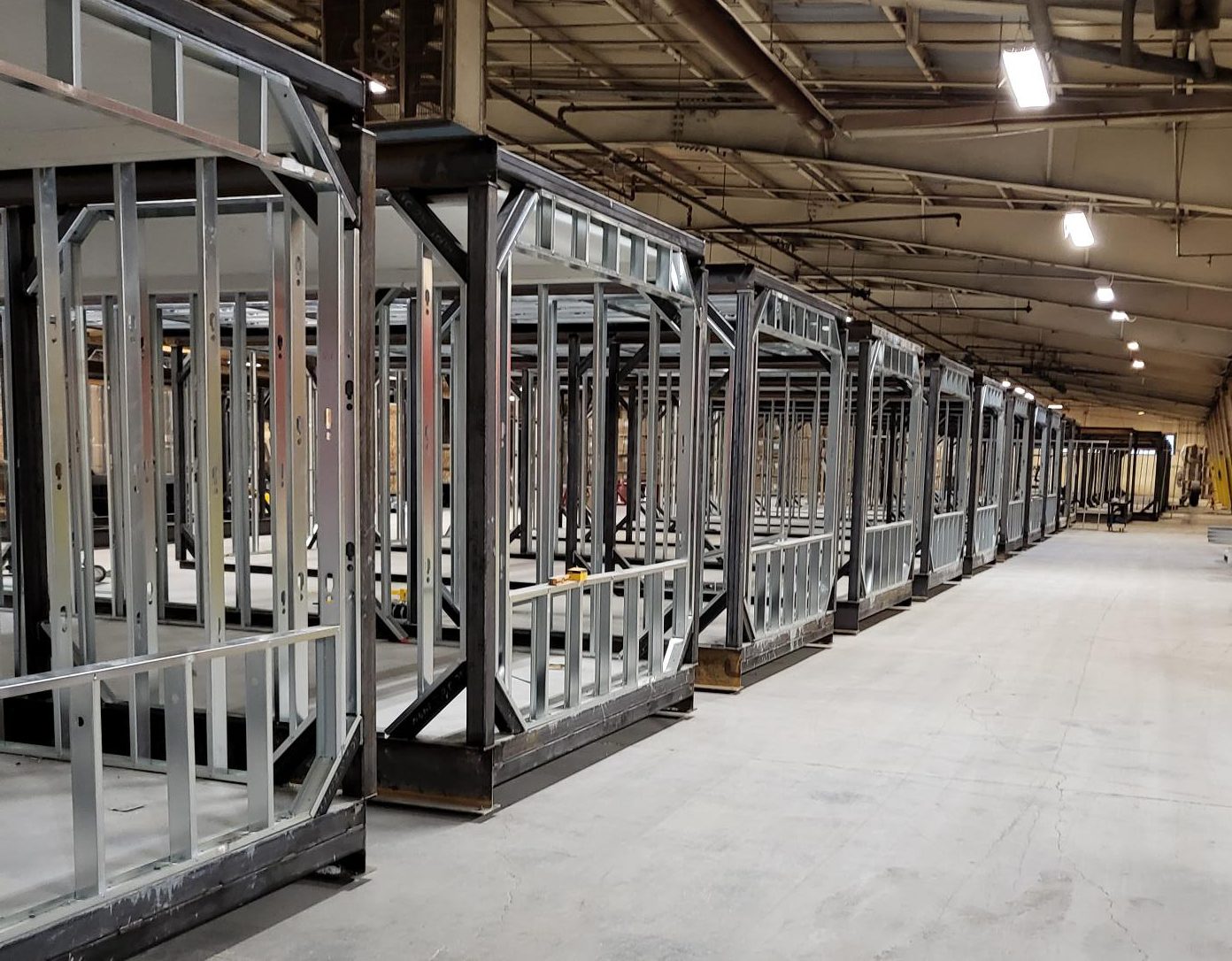
- Modular and prefabricated options reduce site labour.
- Fasteners and accessories are optimized for rapid assembly.
Steel framing is increasingly favored by contractors dealing with skilled labour shortages, since crews can be trained quickly and productivity ramps up faster.
The Real Cost of Habit-Based Framing Decisions
Many contractors continue choosing wood framing simply because:
“That’s how we’ve always done it.”
In 2026, that mindset carries a growing financial penalty:
- Higher rework risk
- Greater long-term maintenance costs
- Increased acoustic complaints
- Greater exposure to moisture and fire risk
- Project delays due to supply chain instability
Steel framing provides predictability, performance, and long-term durability — all of which translate into lower total project risk.
Final Thoughts: Choosing Smarter in 2026
Steel framing is no longer a specialty option — it is rapidly becoming the preferred standard for commercial and multi-residential construction.